











Sinthex Core v2.0

  • System ready
  • Hosting inside the EU
  • Models interchangeable

Core

Crystal

Layer I

Particles

Layer II

Orbit

Output

Ember

Software · Generative AI

Custom software and generative AI that do real work in your processes.

Sinthex builds tailored applications and puts generative AI where the work really happens: inside your existing systems, data and workflows. From a sober assessment of use cases through a solid prototype to day-to-day operation.

  • Frames/s —
  • Shards —
  • Energy —
Energy
Decay
Shatter
Spread
Fragments
Resonance
Tempo
  • Engineering, integration and operation from one team
  • GDPR-compliant architecture, processing inside the EU
  • Model independent – including models in your own infrastructure

What an integration looks like with us

01

Your systems

  • ERP & shop
  • CRM & ticketing
  • Documents & knowledge

02

AI layer

  • Context & retrieval
  • Orchestration & tools
  • Review & approval

03

In daily work

  • Suggested replies
  • Verified documents
  • Automated cases

Clients and projects we look after

beeUnitybeeXpertsEcco PrepGigaBlueKaiser PlasticKV-TippMein GrapefruitNermo LogistikNL FulfillmentopenATVShelly CreatesVivodoZukunft sicher gestalten

From e-commerce and logistics to manufacturing, fulfilment, insurance and open source.

Services

Software and AI, designed together

A language model on its own does not solve a business process. We build the application around it: data access, permissions, interface, quality assurance and operation.

01

Custom software engineering

Web applications, portals and interfaces that match your process precisely – instead of off-the-shelf software that fits 70 per cent and pushes the rest into spreadsheets.

  • Web platforms, customer portals and internal tools
  • Interfaces to ERP, shop, CRM and accounting
  • Replacing grown-up spreadsheet and silo solutions
02

Integrating generative AI into existing processes

We apply language models where they demonstrably save time – embedded in your data, your permissions and your approval paths.

  • Retrieval systems (RAG) on internal documents
  • Assistance in support, sales and back office
  • Extraction and enrichment of document data
03

AI agents and process automation

From a single assistant to safeguarded workflows: models that operate tools, prepare cases and leave decisions with your specialists.

  • Function and tool calling against your systems
  • Human-in-the-loop with explicit approvals
  • Logging, monitoring and cost control
04

Data foundation, architecture and operation

AI is only as good as the foundation beneath it. We put data models, infrastructure and quality measurement into a shape that still holds in two years.

  • Data models, search and vector stores
  • Evaluation and regression tests for AI output
  • Deployment, updates, maintenance and handover

Products

Software we build and run ourselves

Alongside client projects we build our own products. They are in daily use and show how we approach software: clear interfaces, clean integrations and data kept where it belongs.

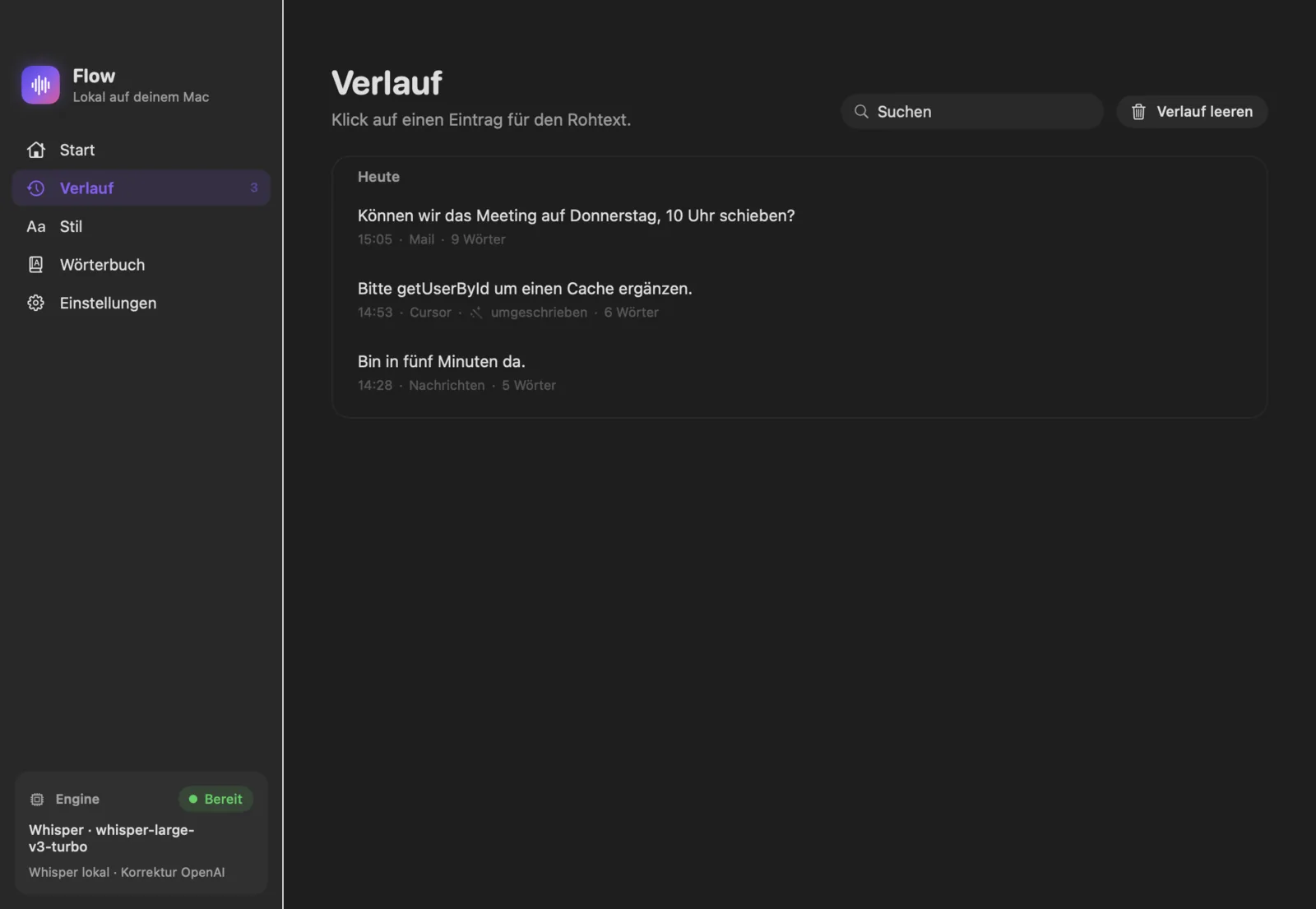
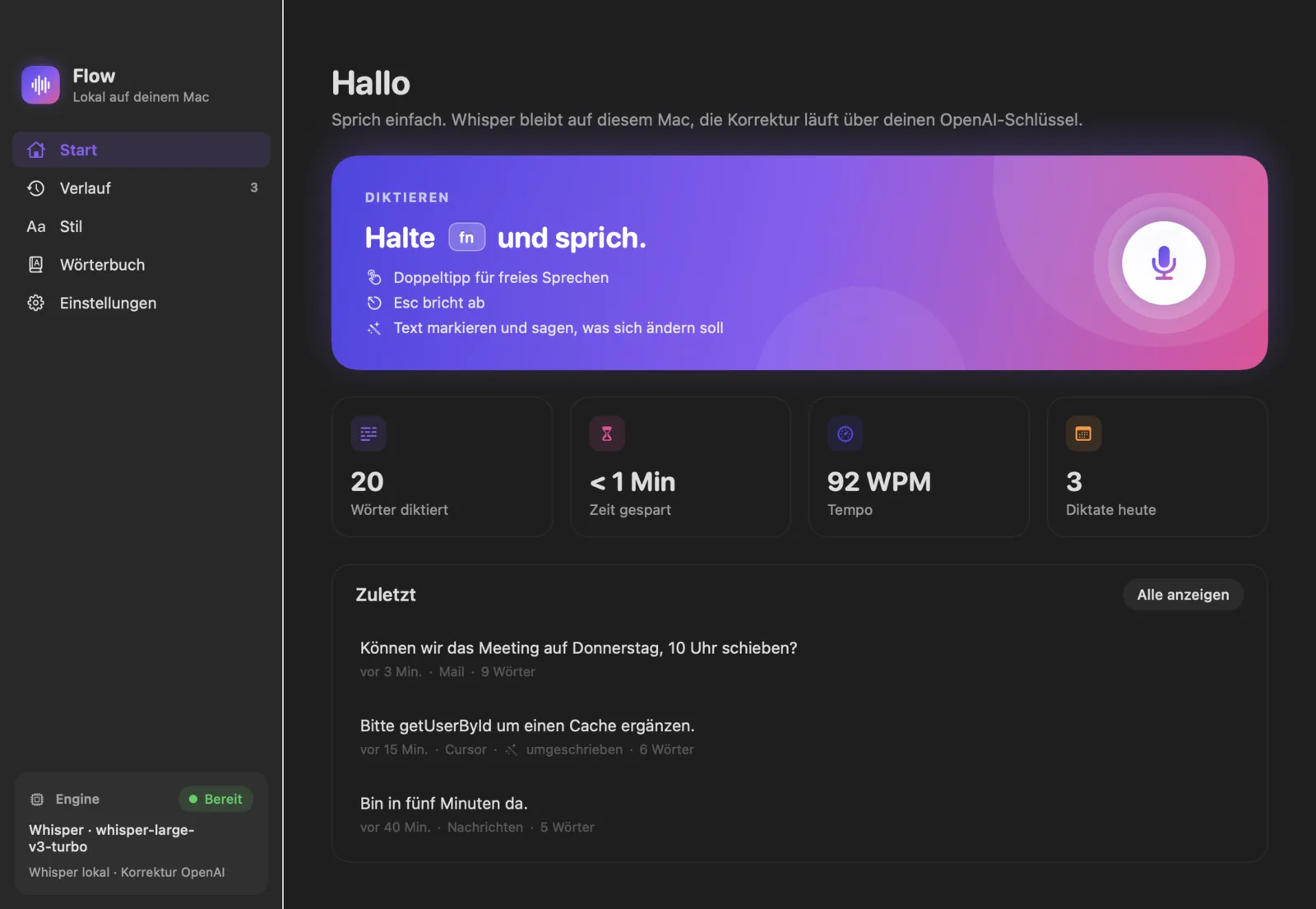
Flow Home
Flow home screen with dictation hint, statistics and recent dictations

macOS · Menu bar app

Flow

Dictation in the menu bar

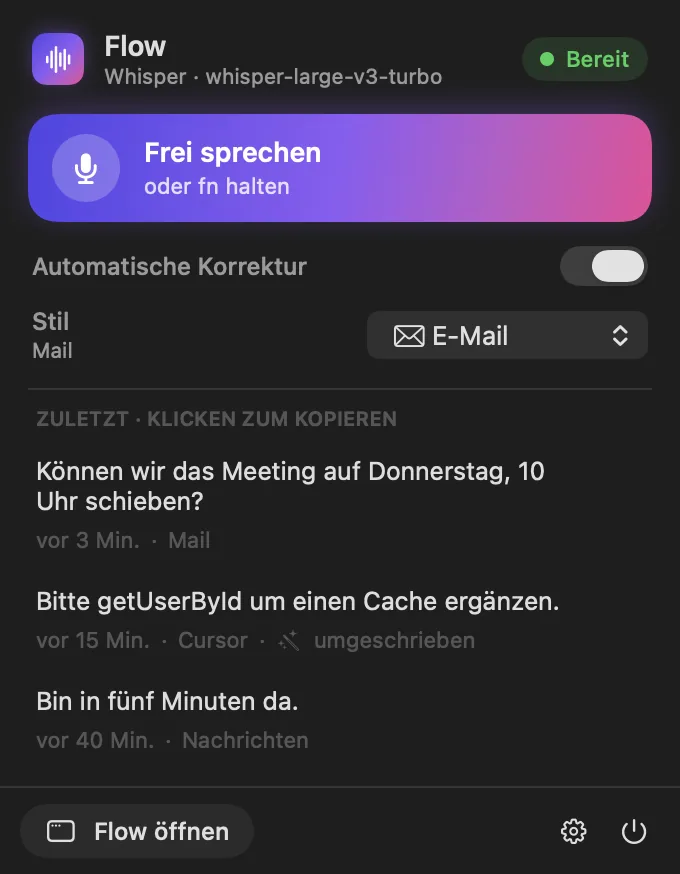
Hold the Fn key, speak, let go – the text lands in the active field. Speech recognition runs locally with Whisper on Apple Silicon, so the audio never leaves the Mac. Correction by a language model is optional and uses your own key.

  • Whisper runs locally on the Mac, no audio in the cloud
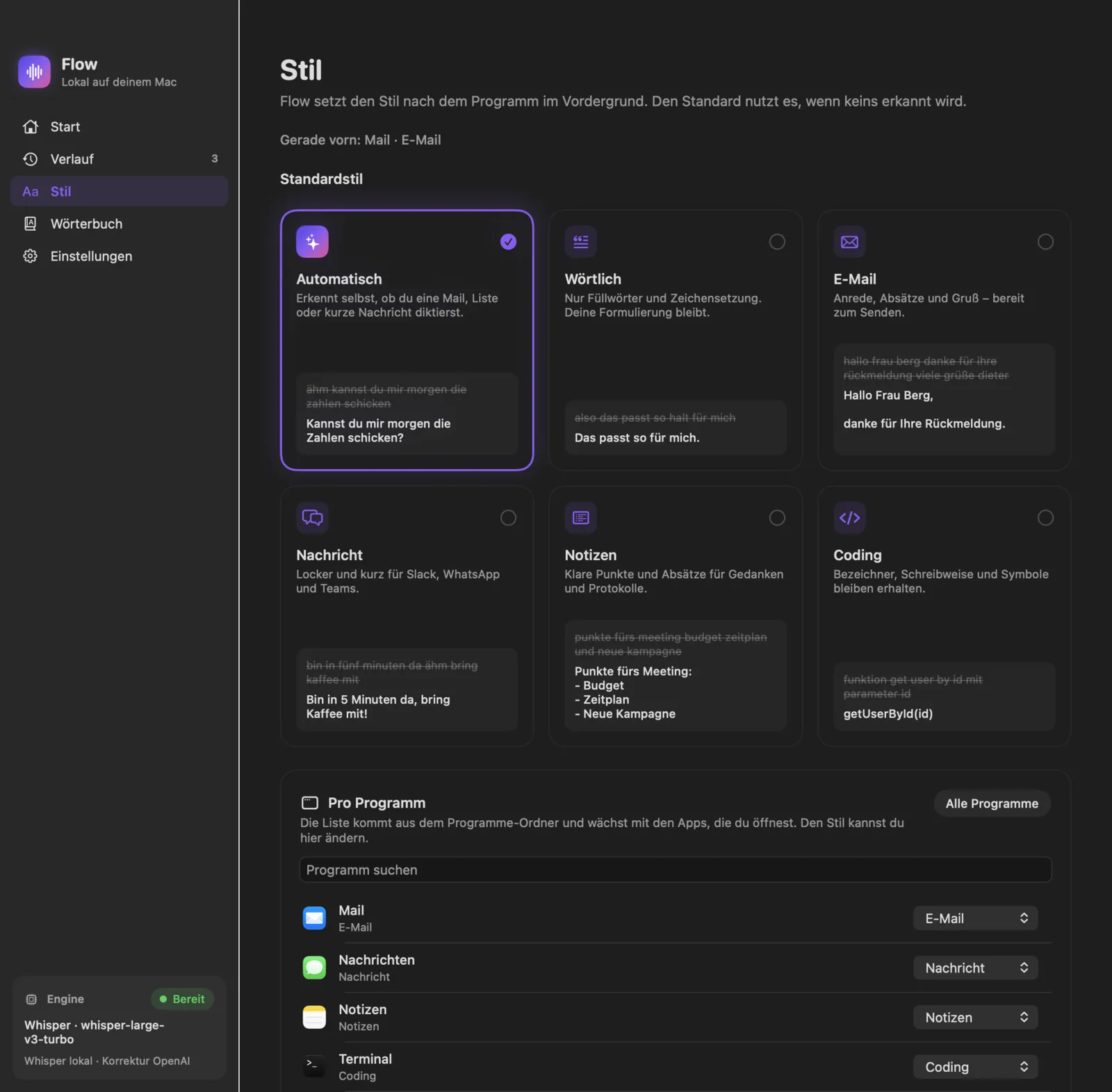
  • Writing style follows the app – email, chat, notes or code
  • Select text, say what to change and let Flow rewrite it
  • macOS 14+
  • Apple Silicon
  • Open source · MIT
  • Free
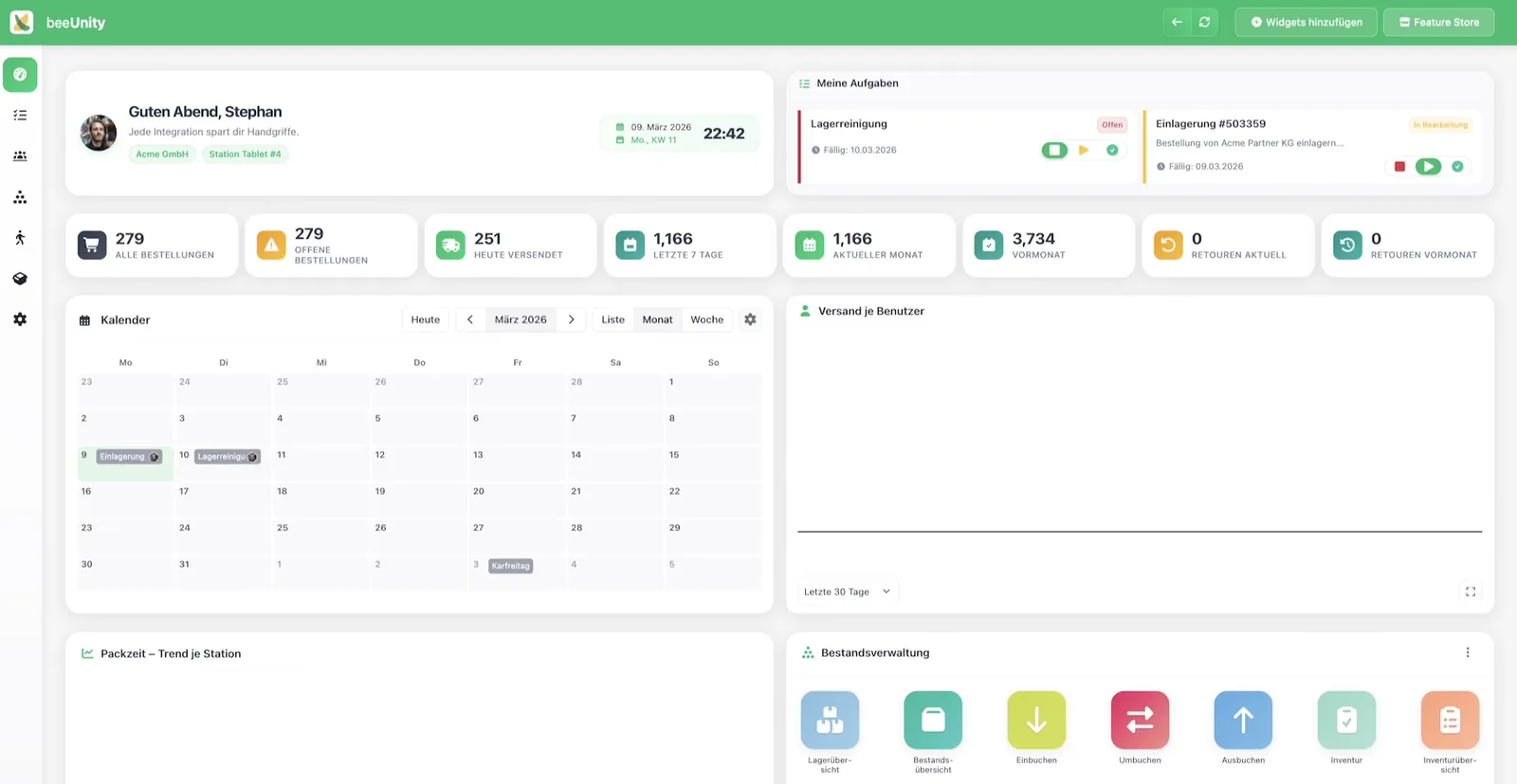
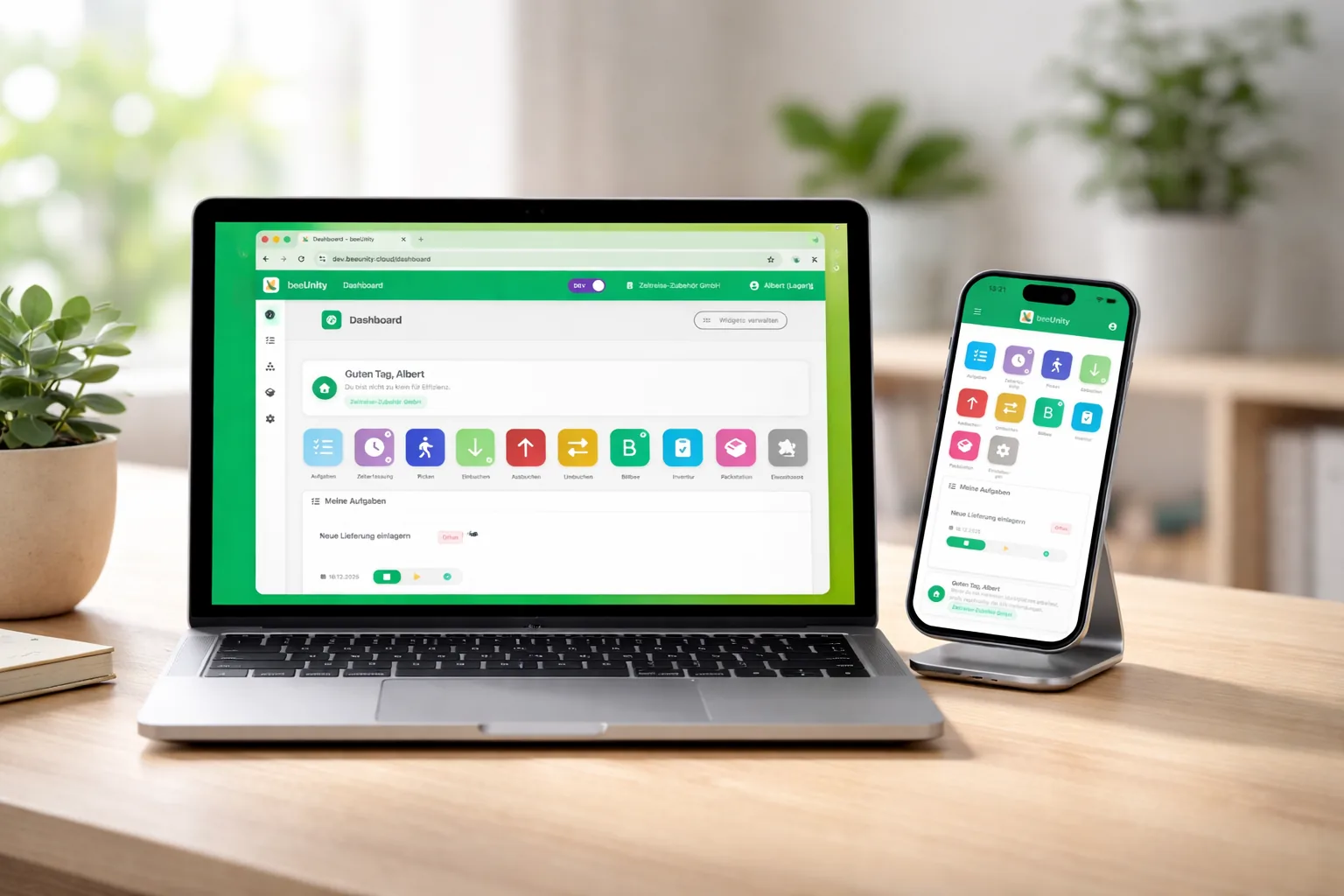
beeUnity Dashboard

Cloud · Web app for desktop and smartphone

beeUnity

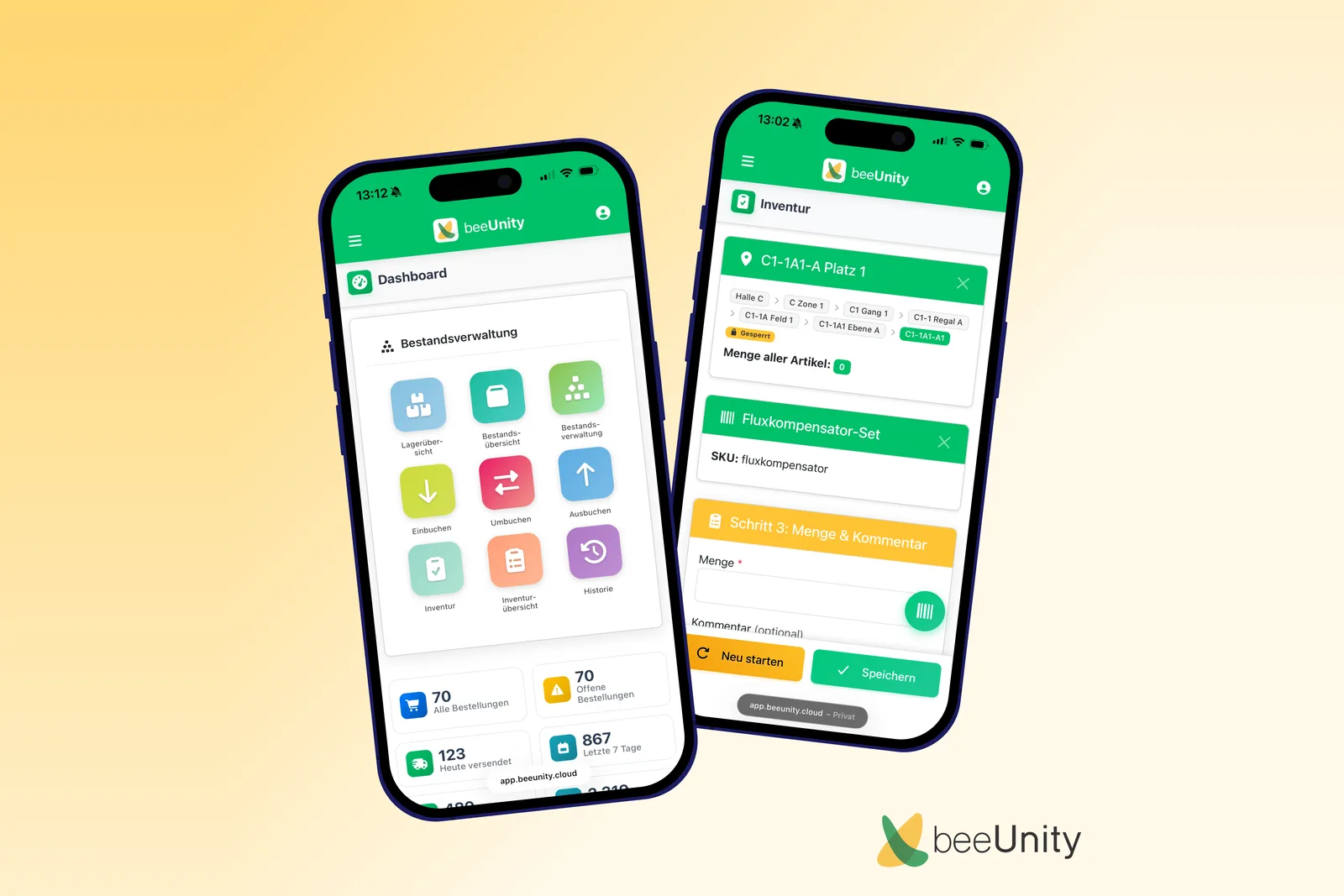
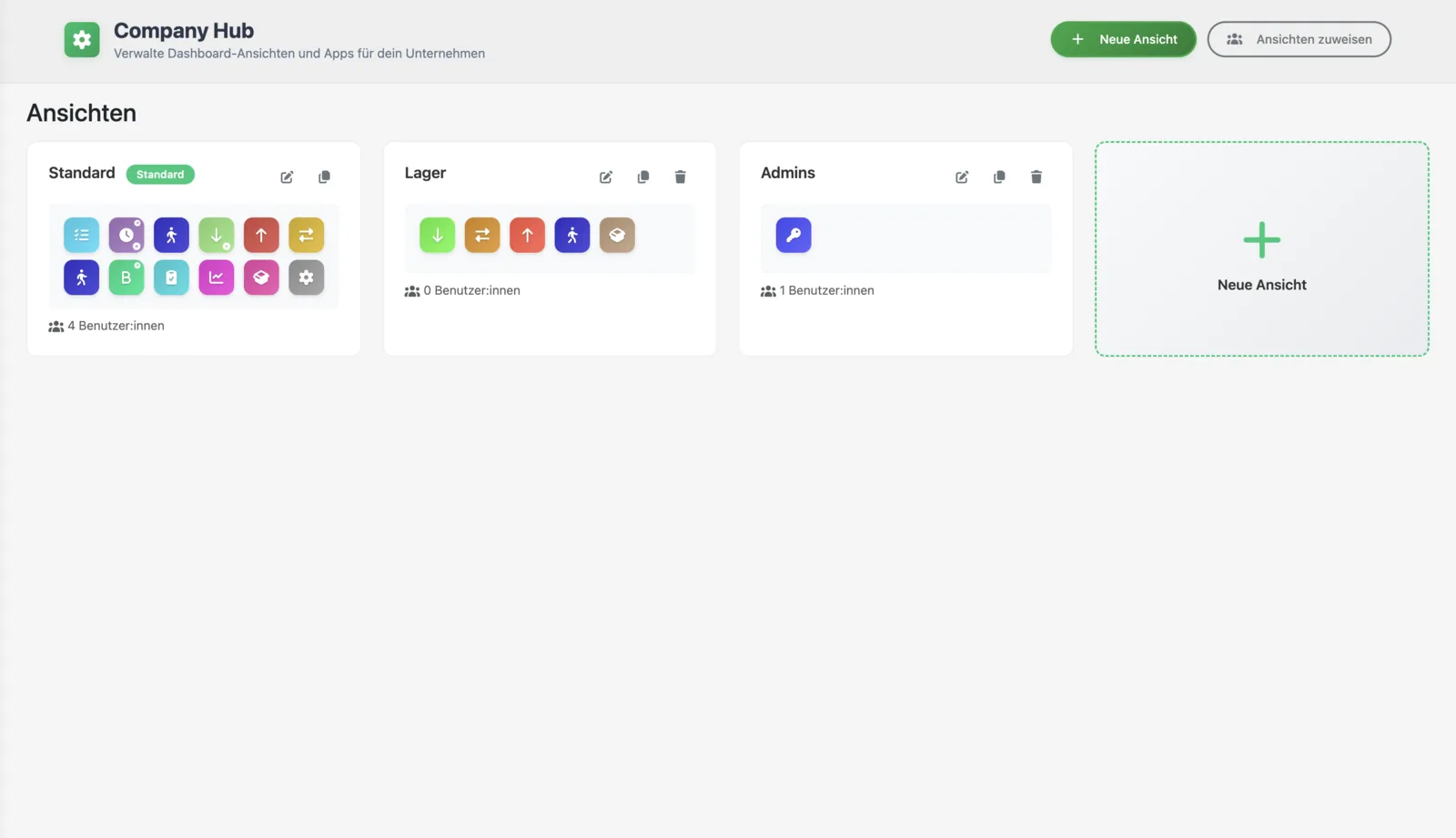
Warehouse management and shipping for Billbee

Cloud WMS for online retailers working with Billbee: scanner-based pick lists, goods-in, stock transfers and stocktaking down to the bin location, plus scan-based shipping at as many packing stations as you need. beeUnity extends Billbee rather than replacing it.

  • Picking with handheld scanner or smartphone, with pick carts and priorities
  • Stock, bin locations and stocktaking down to the single bin
  • Combined shipping: several orders, one parcel, one label
  • Web app
  • Desktop & smartphone
  • Scanner & touch
  • Verified by Billbee

Use cases

Where generative AI already carries weight

Six areas where effort and benefit can be assessed reliably – and where a prototype shows within weeks whether it works.

Relieve customer service

Suggested replies from your history and knowledge base, with sources. People approve, not the model.

Process documents

Read, validate and route quotes, invoices, delivery notes and contracts automatically into your systems.

Make knowledge findable

Internal search across manuals, tickets and project knowledge – with cited sources instead of invented answers.

Product data and content

Descriptions, attributes and translations for thousands of items, consistent with your tone of voice and data model.

Sales and quotes

Qualify enquiries, prepare quotes, structure meeting notes and keep the CRM clean.

Analysis and reporting

Structure and condense free text, feedback and protocols so they can feed real metrics.

Company

Who Sinthex is

Sinthex is the brand of Sinthex Holding UG (haftungsbeschränkt), based in Kircheib, Rhineland-Palatinate, Germany. The company builds custom software and integrates generative AI into existing processes, data and systems – from use-case assessment through a prototype to production. Managing director is Nikolai Sinthern. Work is remote across German-speaking Europe, in German and English; data is processed in the EU.

Approach

From idea to production

Four phases with clearly defined outcomes. After each phase you decide whether and how to continue.

  1. Phase 01

    Analysis and use case assessment

    We review processes, data availability and systems, then rate candidate use cases by benefit, risk and effort. The result is a prioritised list – including the cases we advise against.

  2. Phase 02

    Prototype on real data

    The most promising case is built and measured against your real data. You see quality, limitations and running cost before larger investment.

  3. Phase 03

    Productionisation and integration

    Connection to your systems, roles and approvals, plus tests, logging and documentation. The result is a solution that can be operated and handed over.

  4. Phase 04

    Operation and evolution

    Monitoring, ongoing evaluation, model and cost optimisation, and further use cases on the same foundation.

Principles

What we hold ourselves to

Generative AI produces impressive demos quickly. In production it only holds up with clear rules.

01

Value before demo

Every use case needs a metric that shows success. If it cannot be measured, we do not start it.

02

Privacy from day one

Data minimisation, processing inside the EU, data processing agreements and – where the data demands it – models in your own infrastructure.

03

No model lock-in

Providers stay replaceable. Models are chosen by task, quality and cost, not by marketing.

04

Maintainable code

Comprehensible architecture, tests and documentation. You own your solution and stay able to act.

05

People decide

Critical steps run through approvals. AI suggests and prepares, your specialists decide.

06

Straight talk

Named contacts, honest assessments and transparent effort – including when the answer is "not worth it".

Technology

Tools we work with

Selected by task and operability – not by trend.

Engineering

  • PHP 8
  • TypeScript
  • Node.js
  • Python
  • React
  • REST & GraphQL

Generative AI

  • OpenAI
  • Anthropic
  • Mistral
  • Azure OpenAI
  • Local models
  • RAG
  • Function calling

Data

  • PostgreSQL
  • MySQL
  • pgvector
  • Qdrant
  • Elasticsearch
  • Redis

Operations

  • Docker
  • Linux
  • CI/CD
  • Monitoring
  • EU hosting

Questions

Frequently asked questions

What companies most often want to know before their first AI project.

We do not have a concrete use case yet. Where do we start?

With a workshop of two to three hours. We walk through your workflows, collect candidates and rate them by data availability, benefit and risk. Afterwards you have a prioritised list and a realistic view of the effort – including the areas where AI does not pay off right now.

What happens to our data?

We work with data minimisation: only the information a use case genuinely needs ever leaves your system. Processing takes place inside the EU and data processing agreements are part of the deal. Where data is particularly sensitive, we run models in your own infrastructure.

What does a prototype cost?

We work with fixed frames: scope, outcome and budget are defined in writing before we start. After the first conversation you receive a committed range instead of an open-ended list of hours – cost depends mainly on data availability and depth of integration.

Do we have to replace existing software?

Usually not. Generative AI is docked onto existing systems – via interfaces, exports or directly at the database. We only replace or rebuild what demonstrably slows the process down.

Who builds and looks after the project?

A small team with named contacts. You talk to the people who also do the engineering – no handover to rotating project staff.

How does the collaboration work?

Mostly remote, with on-site sessions where they help the project. Short feedback cycles, visible progress throughout, documentation in German or English.

Contact

Let us talk about your use case

Describe in a few sentences what you are working on. You will get an honest assessment of whether and how generative AI makes sense there – and which next step is actually worth taking.

Usually answered within one business day

Location
Kircheib, Rhineland-Palatinate, Germany
Collaboration
Remote across German-speaking Europe, on-site possible
Languages
German and English